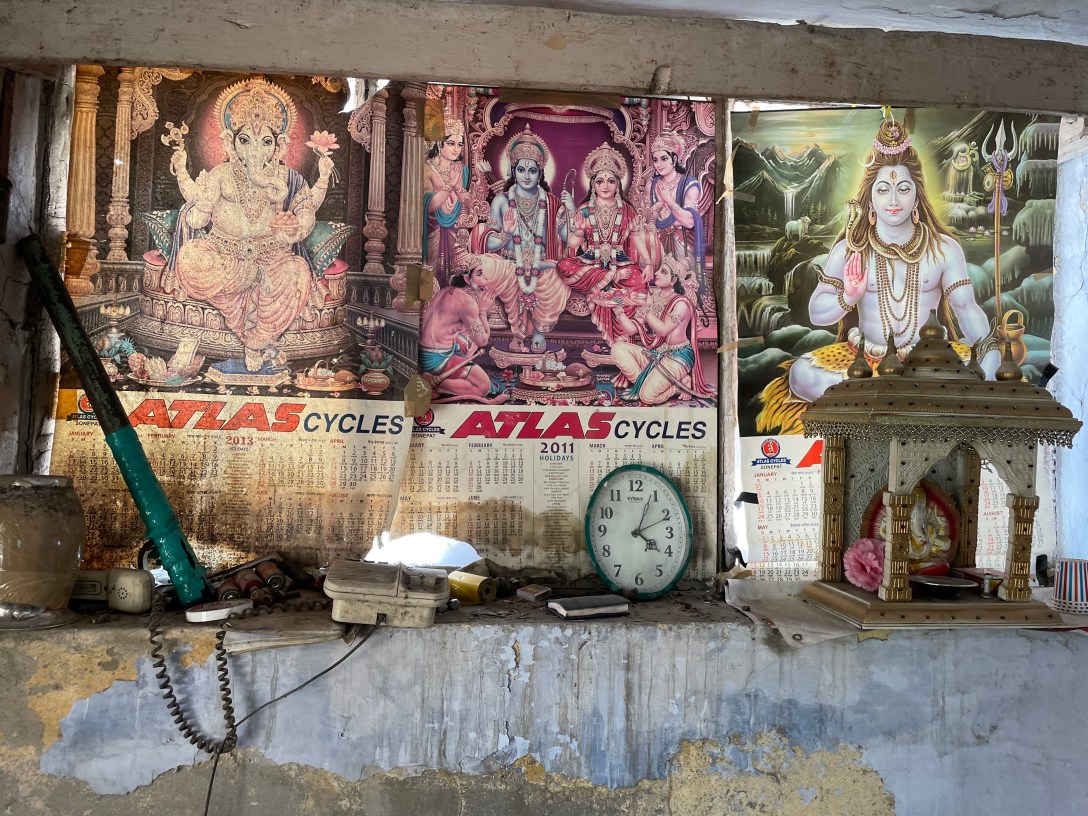
The Birth and Death of Atlas Cycles 

The imagination of the cycle itself was integral to the fabrication of the middle class. The cycle was a fashionable form of transport—it was youthful and romantic, projecting an image of its male consumer as neither affluent nor entirely downtrodden. While in post-Independence India, the cycle become a popular means of mobility for the working class, Atlas Cycles targeted the middle class more than the working-class masses and presented a certain aestheticized use of the cycle.
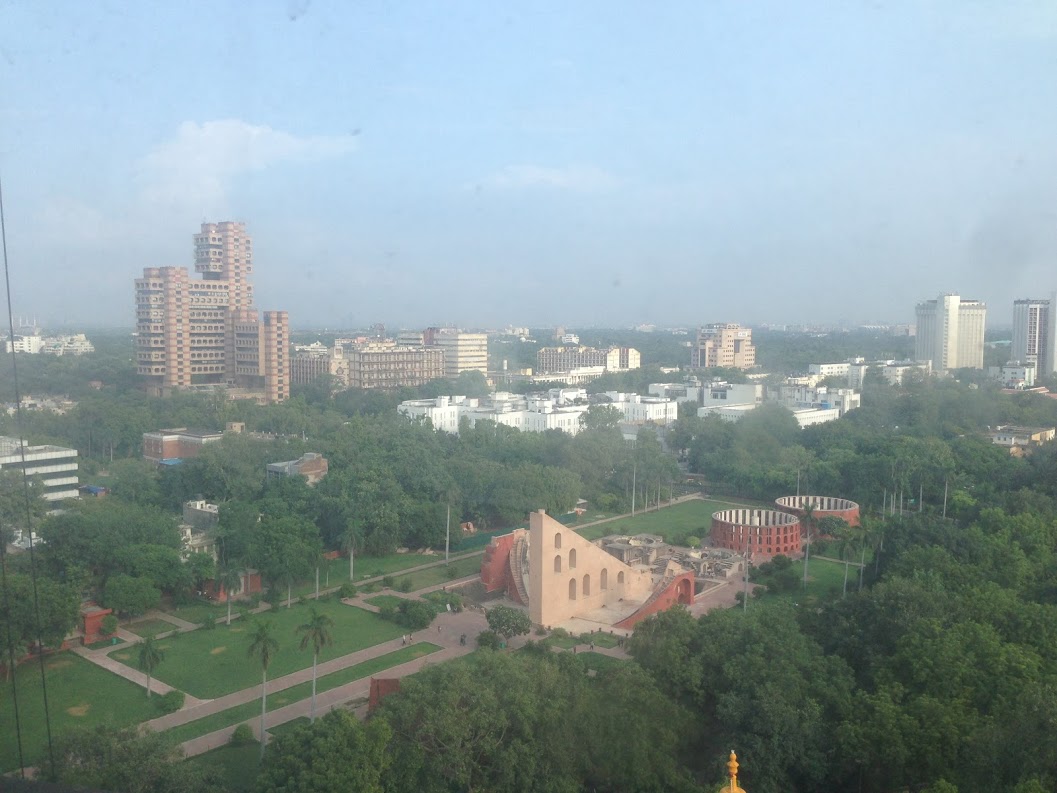
Et tu, brutalism: of anxious rooms and modernist architecture

Grafting utopias The annual festival of Delhi’s oldest architecture school is called Utopia. When I ask the students why it is called so and if they know what it means, they look confused. One exclaims, ‘Utopia is what we will create... it’s the perfect place, the perfect city...’ So I ask them, ‘But does it… Continue reading Et tu, brutalism: of anxious rooms and modernist architecture

But does their form have an essence: on actually existing modernism

When photographing modernist buildings, I would move back and forward and sideways in an effort to frame them without the cars parked all around. I was trying to capture them a little removed from the city to which they now belong. I love modernist buildings for their defined edges and their utopian social ambition. But… Continue reading But does their form have an essence: on actually existing modernism

Making horizons, making cities: reading a moment through three languages

Buildings are languages spoken at the intersections of space and time in the making of the city. Weathering languages, stealth blue concrete high-rises, sometimes speaking in Russian in the NDMC rashtra bhasha corridors. There is babble on the street, incremental refugee colonies, with Punjabi baroque and Arya Samaj façades, Bengali Victorian art deco balconies and… Continue reading Making horizons, making cities: reading a moment through three languages