The Birth and Death of Atlas Cyclesย 

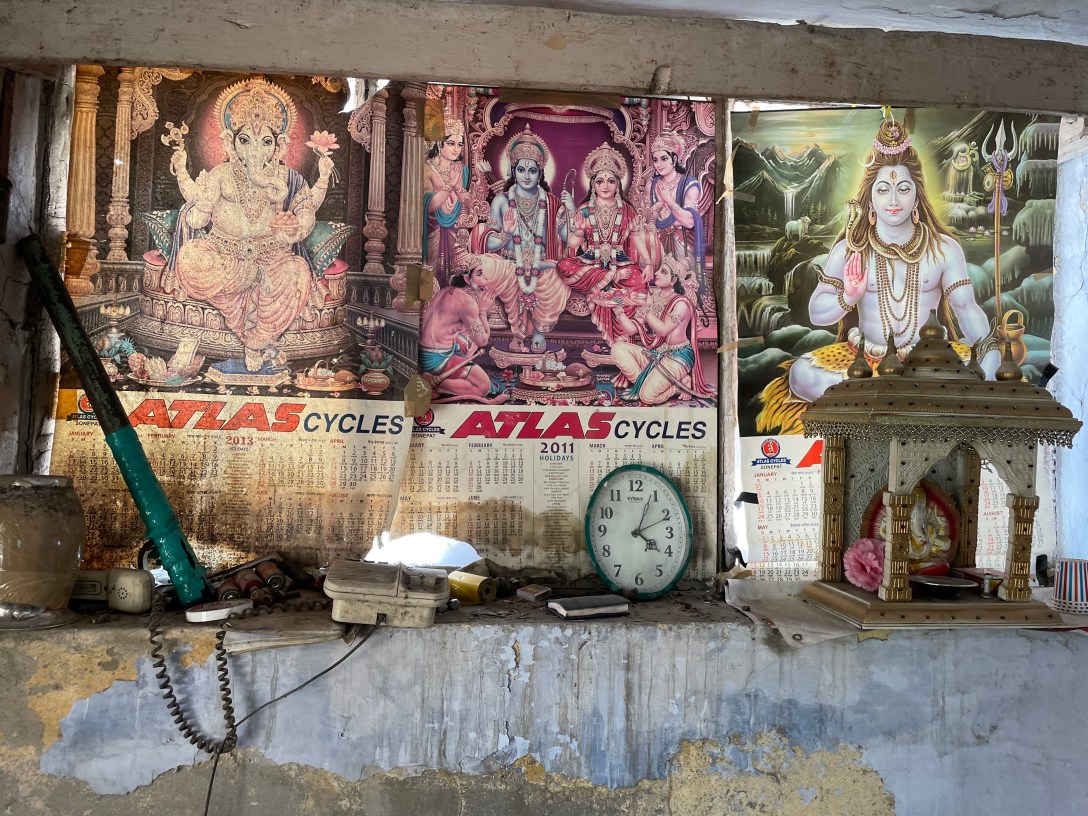
The imagination of the cycle itself was integral to the fabrication of the middle class. The cycle was a fashionable form of transportโ€”it was youthful and romantic, projecting an image of its male consumer as neither affluent nor entirely downtrodden. While in post-Independence India, the cycle become a popular means of mobility for the working class, Atlas Cycles targeted the middle class more than the working-class masses and presented a certain aestheticized use of the cycle.
What makes a footpath?

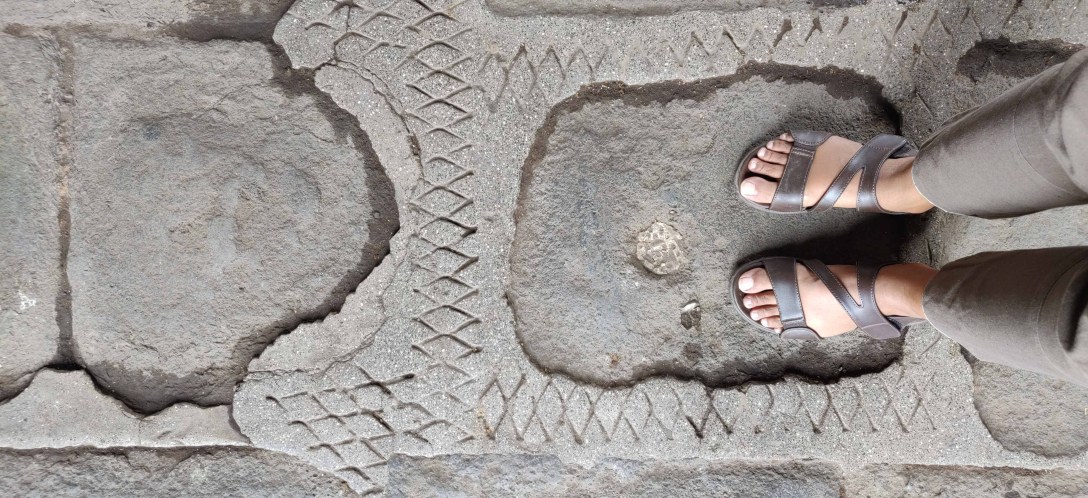
What makes the foot feel the foot? What makes a footpath, a walking path? What goes into making the ground beneath your feet yours? What does it take for a footpath to make walking a choice and not a constraint? The ordinary (rather, pedestrian) footpaths documented in this photo essay shift the focus from the celebrated and consistently developed centre to the ignored and faded margins of the city, making sidewise gleams at the multiple experiences nestling here possible.

The future in Delhiโ€™s present

Different parts of the city hold different meanings for those who come to live in it. The footpath to a bus stop in East Delhi, the view of Purana Qila from aย mudrika, the first ice cream at India Gate, a market, a park, a housing colony, a route or a stop accumulate to make the city for us, and in strange and invisible ways also make us.ย Yet, we continue to exist in ourselves and in cities in this constant play of the visible and ever-changing present, jousting constantly with our memories and our present navigating through a place.

Homing and unhoming: taxonomies of living

โ€˜Perhaps home is not a place but simply an irrevocable condition.โ€™ โ€”James Baldwin, Giovanniโ€™s Room What is a home? Is it a feeling, a habit, a set of relationships or a combination of materials and floor plans? The idea of this essay was triggered three months back, when I was asked to shift from the… Continue reading Homing and unhoming: taxonomies of living

But does their form have an essence: on actually existing modernism

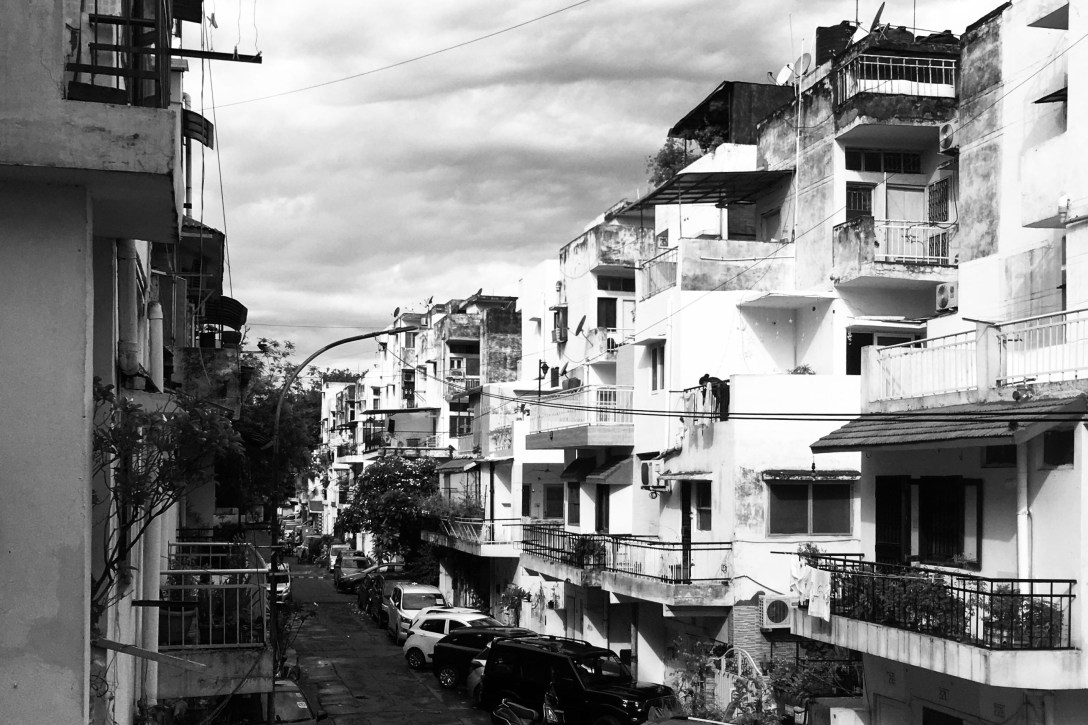
When photographing modernist buildings, I would move back and forward and sideways in an effort to frame them without the cars parked all around. I was trying to capture them a little removed from the city to which they now belong. I love modernist buildings for their defined edges and their utopian social ambition. But… Continue reading But does their form have an essence: on actually existing modernism

Letters from Karachi

ab toh yahaan ke mausam mujhse aisi umeedein rakhte hain jaise hamesha se main yahin hoon Gangaji aur Jamunaji Amrohe meinย Baanย nadi keย paasย jo ladka rehta tha ab woh kahan hai? Main toh wahin hoon Gangaji aur Jamunaji [Now even the seasons here have such expectations of me as if I have always been here, Gangaji and… Continue reading Letters from Karachi